1. Kafuli – The Pride of Uttarakhand’s Kitchen
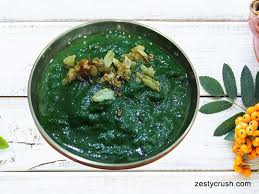
Kafuli, perhaps the most famous meal in Uttarakhand, proudly stands as a true pahadi culture food, also known as Kaapa. Moreover, this green curry uses spinach, fenugreek, or other leafy greens that chefs slow-cook until the texture becomes smooth and creamy.
. As a traditional Garhwali dish, Kafuli showcases rich flavors and a highly nutritious spinach-based gravy. It truly represents the essence of culture food in the Himalayan region.
The dish uses fresh mountain ingredients like spinach and fenugreek, showing how culture food closely reflects local produce and the Pahadi lifestyle. The slow-cooking technique preserves nutrients and enhances taste, highlighting the heritage of culture food passed down through generations. People across Uttarakhand love Kafuli for its earthy flavor and health benefits.Furthermore, whether you serve it with hot rice or mandua roti, Kafuli continues to represent the authenticity and pride of pahadi culture food traditions.
Why It’s Special
Moreover, Kafuli provides a powerhouse of nutrition because it is rich in iron, minerals, and antioxidants. It warms the body and is perfect for cold locations.”
How It’s Traditionally Served
Kafuli delivers high levels of iron, minerals, and antioxidants, making it a true nutritional powerhouse. It suits cold locations perfectly and warms the body naturally.
2. Baadi – The Humble Mountain Meal
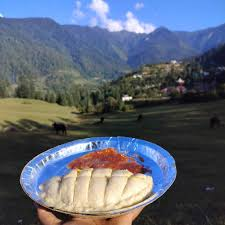
Baadi symbolizes the ease and practicality of mountain cooking. Cooks prepare it using mandua flour, roasted wheat flour, or sometimes a combination of both. Additionally, they boil the mixture with water and a small amount of ghee until it becomes thick and semi-solid.
Why Hill People Love It
Kafuli provides rich iron, minerals, and antioxidants, making it a true nutritional powerhouse. It warms the body, which makes it perfect for cold mountain regions.
3. Gahat (Kulthi) Ki Dal & Paratha – The Protein Powerhouse
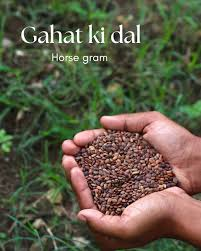
In Uttarakhand, gahat, also known as horse gramme, is a winter staple. A deep and fragrant flavour is produced by cooking the dal with garlic, ginger, and regional spices. Another favourite is gahat parathas, which are filled with boiled and flavoured horse gramme.
Health Benefits
In addition to its warming qualities, horse gramme is thought to help with digestion and avoid kidney stones.
4. Aloo Ke Gutke – The Famous Pahadi Potato Dish
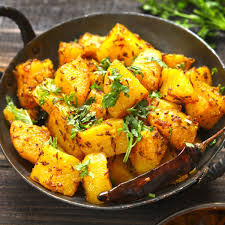
A visit to Uttarakhand wouldn’t be complete without tasting Aloo ke Gutke. Local farmers grow the potatoes used in this recipe, and people believe they taste better than potatoes from the plains.
What Makes It Unique
Cooks temper jakhiya, a wild plant seed, to give the dish its earthy flavour and crunchy texture. Families prepare Aloo ke Gutke for festivals and celebrations, and they often serve it with pooris, parathas, or bhang ki chutney.
5. Jhangora Ki Kheer – The Sweet Jewel of Kumaon
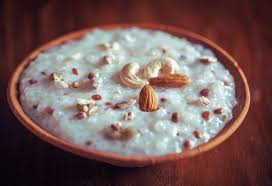
This kheer, which is made from jhangora (barnyard millet), is silky, creamy, and somewhat sweet. It is frequently made as a celebratory dessert or on special occasions.
Why It’s Popular
Jhangora is highly nutritious and has a distinctive texture. It becomes a delicious delicacy that wonderfully captures Kumaon's sweet traditions when cooked in milk with sugar or jaggery and flavoured with cardamom.
6. Bhang Ki Chutney – The Hillside Flavor Bomb
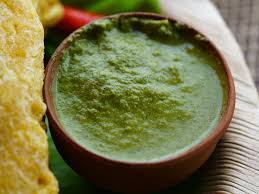
Don't worry, roasted hemp seeds are used to make bhang ki chutney, one of the most famous Himalayan sauces. Rather, it provides a refreshing, tart, and nutty flavour that is unmatched anywhere in India.
Ingredients
Green chillies, garlic, coriander, hemp seeds, and lemon juice.
Why It’s Special
It is adored for its distinctive flavour combination and goes well with practically any dish.
7. Chainsoo – The Smoky Garhwali Staple
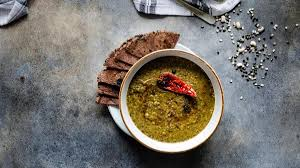
Roasted black gramme (urad dal) is used to make the thick dal known as chainsoo. It has a deeper colour and a unique smokey flavour from the roasting.
How It’s Served
It is a hearty dish for chilly Garhwali winters and is usually served with rice, ghee, and salad.
8. Rus (Raas) – Kumaon’s Comfort Food
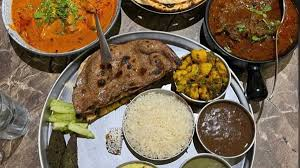
Rus, also called Raas, is a healthy gravy prepared by slowly simmering a variety of lentils, including toor, gahat, bhatt, and rajma. The meal takes on a rich colour and earthy flavour when cooked in a lohe ki kadhai (iron pot).
Why It Stands Out
The core of Kumaoni cuisine is represented by rus, which is flavourful, straightforward, and healthful. It is perfect for cold evenings and is typically served with steamed rice.
9. Arsa & Singori – Traditional Festive Sweets
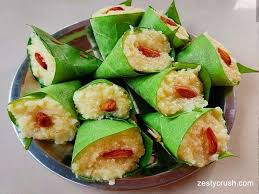
Arsa
Rice flour, jaggery, and a small amount of oil are combined to make arsa. Chewy and slightly sweet, it's a popular dessert at festivals and weddings and is lightly fried.
Singori
One of the most recognisable Kumaoni candies is singori. It has a subtle flavour and pleasant perfume and is made from khoya and wrapped in maalu leaves.
Why They Are Special
These candies are strongly associated with festivals and cultural customs, and they capture the genuineness of regional flavours.
10. Kandali Ka Saag – A Rare Himalayan Delicacy
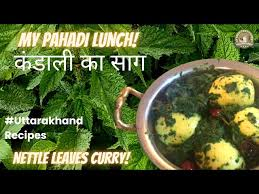
The stinging nettle plant, which grows in upper Himalayan regions, forms the base of kandali ka saag. Because the leaves sting when touched, cooks prepare them with great care.
Unique Features
The leaves lose their sting and become a healthy, earthy-tasting curry after being properly cleaned and boiled.
Why It’s Exclusive
Due of its rarity, seasonality, and limited availability in some regions of Uttarakhand, this meal is a must-try for those who enjoy daring cuisine.
11. Bhatt Ki Chudkani – A Kumaoni Favorite
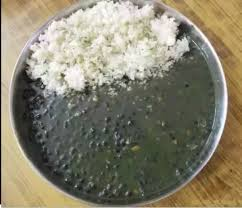
Bhatt, or local black soybeans, are soaked overnight and cooked into a hearty gravy called chudkani. Slow-cooking in an iron pot enhances its flavor and color.
Why Locals Love It
It keeps the body warm and invigorated and is ideal for the winter months due to its high protein content.
12. Mandua Ki Roti – The Himalayan Millet Bread
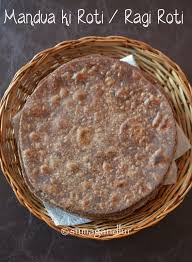
Mandua, or finger millet, grows widely in the hills, and people prepare its roti to enjoy a healthy, dark, rich, and slightly nutty meal.
Why It’s Essential
Rich in iron, calcium, and fiber, mandua roti becomes a fulfilling mountain meal when you pair it with ghee or curry.
What Makes Uttarakhand’s Food Truly Unique?
1. 1. Local Ingredients
Most recipes use native grains, wild herbs, and sustainably grown organic vegetables.
2. Minimal Spices, Maximum Flavor
Natural ingredients create the flavors instead of heavy masalas.
3. Nutrition-Focused
Mountain cuisine aims to provide nutrition, warmth, and strength.
4. Traditional Cooking Methods
Slow cooking, iron pots, and wood-fired kitchens enhance the overall taste.
5. Cultural Significance
Food actively preserves the region’s heritage as it connects directly to festivals, seasons, and customs.